Tiny Hearts, Big Lessons: Nurturing Sharing and Kindness in Preschoolers
Preschool is a magical time of discovery, filled with giggles, painted masterpieces, and the occasional toy tug-of-war. For parents and educators, it’s also a crucial period for instilling essential social-emotional skills, particularly sharing and kindness. These aren’t just polite behaviors; they’re the building blocks of healthy relationships and a compassionate community.
Why Focus on Sharing and Kindness So Early?
Preschoolers are naturally egocentric. They’re still learning about the world beyond their immediate needs and desires. Understanding that others have feelings and needs takes time and consistent guidance. By introducing these concepts early, we help them:
- Develop empathy: Learning to recognize and understand the feelings of others.
- Build social skills: Forming positive relationships and navigating social interactions.
- Reduce conflict: Learning to resolve disagreements peacefully and fairly.
- Foster a positive self-image: Feeling good about themselves for being kind and helpful.
Practical Strategies for Cultivating Sharing and Kindness:
Here are some engaging and effective ways to teach preschoolers about sharing and kindness:
1. Model the Behavior:
- Children learn by observing. Show them what sharing and kindness look like in your daily life. Share your snacks, offer help to others, and speak respectfully.
- Point out acts of kindness you observe, like a friend helping another or a character in a story sharing their toys.
2. Play Games That Encourage Sharing:
- Cooperative games: Focus on games where everyone works together to achieve a common goal, rather than competitive ones.
- Sharing circles: Have children sit in a circle and pass around an item, taking turns to talk or share.
- Dramatic play: Encourage role-playing scenarios where children can practice sharing and helping others, such as playing “doctor” or “restaurant.”
3. Use Storybooks and Songs:
- Read stories that illustrate the importance of sharing and kindness. Discuss the characters’ feelings and actions.
- Sing songs that promote positive social interactions, like “The Sharing Song” or “If You’re Happy and You Know It.”
4. Emphasize Empathy and Feelings:
- Help children identify and label their own emotions and the emotions of others.
- Ask questions like, “How do you think your friend felt when you shared your toys?” or “How would you feel if someone shared with you?”
- Use puppets or facial expression cards to help children recognize different emotions.
5. Provide Opportunities for Kindness:
- Encourage children to help with simple tasks, like setting the table or cleaning up toys.
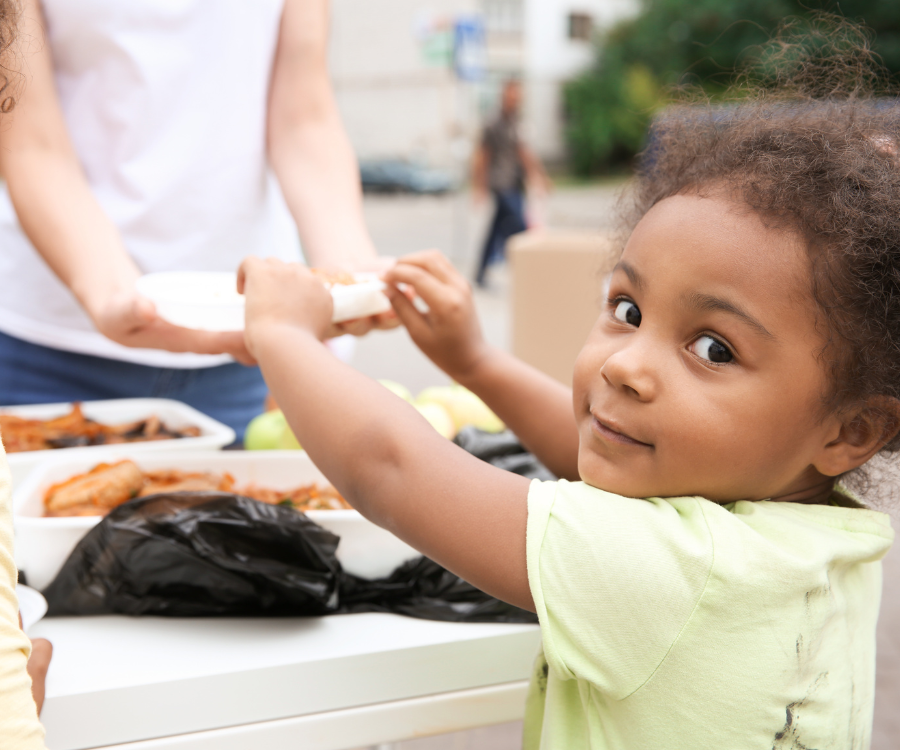
- Organize small acts of kindness, like making cards for a local nursing home or collecting items for a food bank.
- When a child does something kind, be sure to give specific praise. “I saw you share your crayons with Sarah, that was very kind of you.”
6. Set Clear Expectations and Consistency:
- Establish clear rules about sharing and kindness, and consistently enforce them.
- Use positive reinforcement to encourage desired behaviors, rather than focusing on punishment.
- Remember that learning takes time. Be patient and understanding, and celebrate small victories.
Addressing Challenges:
- Dealing with “Mine!”: Acknowledge the child’s feelings but gently explain why sharing is important. Offer alternatives, like taking turns or finding another toy.
- Handling conflicts: Help children resolve conflicts peacefully by encouraging them to talk about their feelings and find solutions together.
- Recognizing individual differences: Some children may need more time and support than others. Be patient and tailor your approach to meet their individual needs.
By consistently modeling, teaching, and reinforcing sharing and kindness, we can help preschoolers develop the social-emotional skills they need to thrive. These early lessons will lay the foundation for a lifetime of positive relationships and a more compassionate world.

No comment